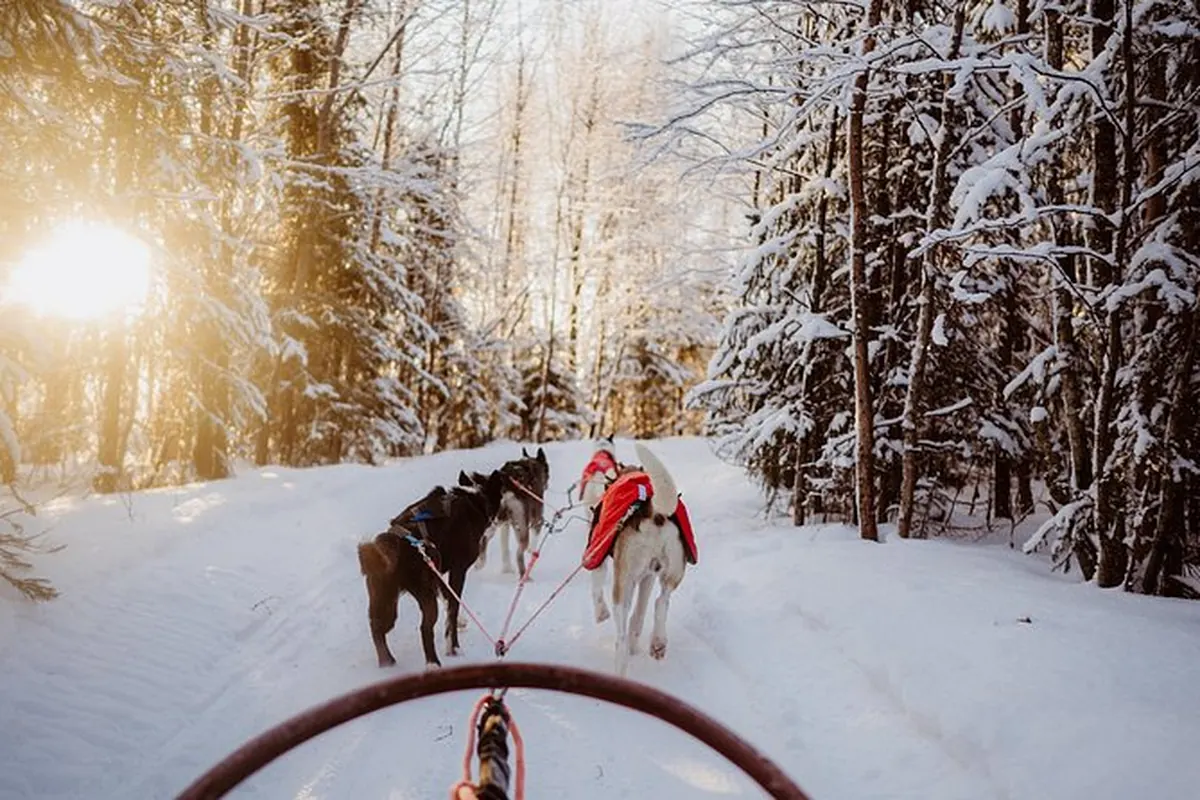
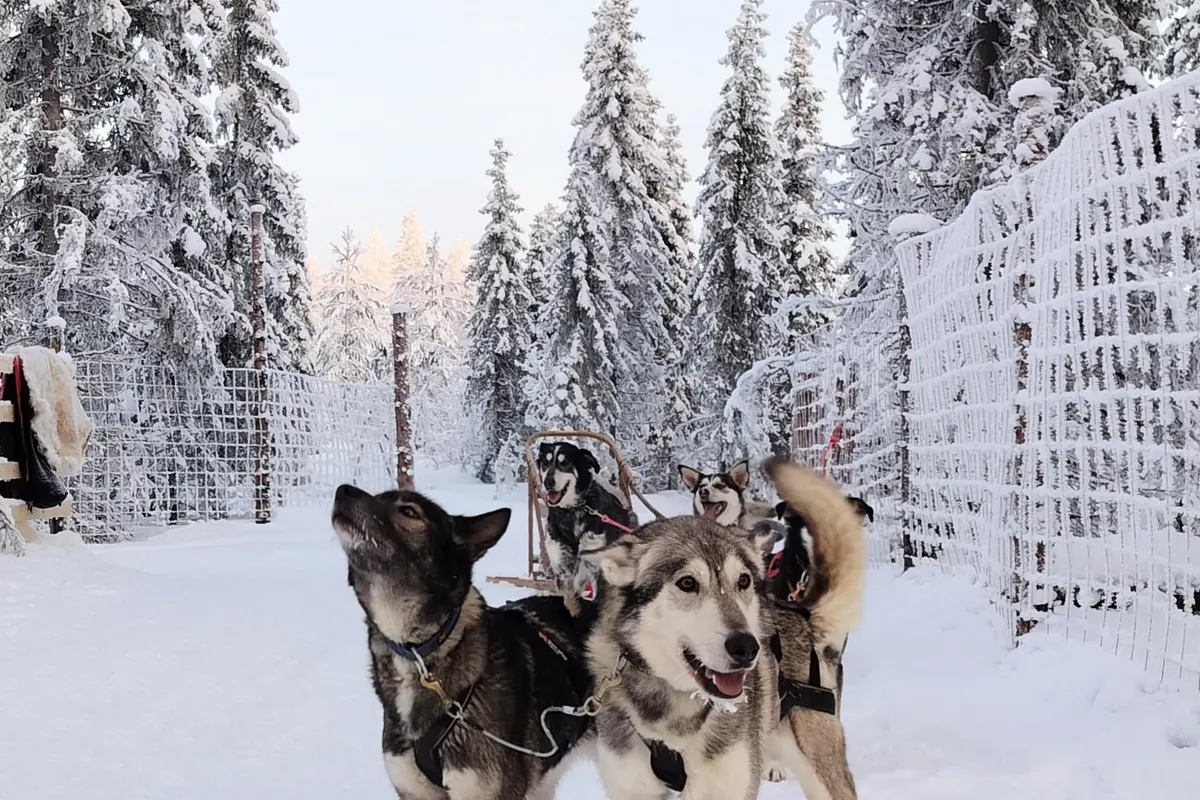
Booking choice: The small-group safari with a kota fire, from $245 per person. Check dates Tour details
Huskies are bred to run, and a well-kept team setting off is about the happiest-looking thing you'll see in Lapland. That part is real. It's also real that husky tourism in Finland has grown fast, that some farms keep hundreds of dogs, and that Finland's biggest animal welfare group spent 2026 saying many of those dogs live badly.
We don't certify farms, and nobody on a booking platform can either. What we can do is tell you what was reported, what Finnish law asks for, and what to ask before you pay. A farm that's proud of how it keeps its dogs will be glad you asked.
The quick answer
Husky sledding is not automatically cruel, and not automatically fine. In April 2026 Finland's SEY said it had material from dozens of sled dog farms showing mistreatment; Yle couldn't verify all of it, and police were investigating a small number of cases. Ask where the dogs live, how many runs a day they do, what happens in summer and in retirement. Prefer small groups and longer trips to a fast loop that runs all day.
Is husky sledding cruel?
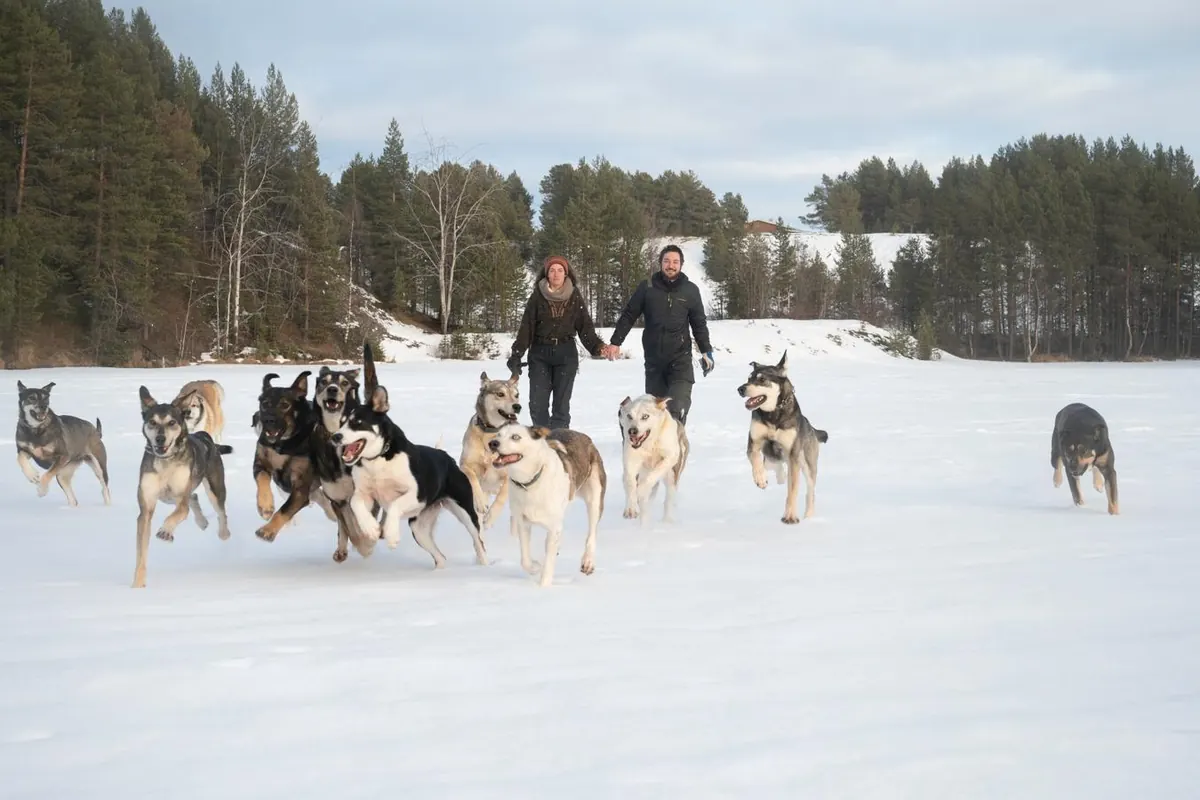
Not by nature. Sled dogs are bred to pull and most clearly love it. What decides it is how a farm keeps its dogs: space, rest, food, vet care, summer and retirement.
The run is the easy bit to judge, and it usually looks great. Dogs scream to go and lean into the harness. The hard bit to judge is everything you don't see: kennels, chains, how many runs a dog does in a day, what happens to dogs that are too old or too slow. That is where welfare groups find problems.
Responsible Travel, a UK holiday company that has written at length on this, prefers longer trips with small groups and criticises one-hour tours where dogs shuttle tourists round the same loop all day (Responsible Travel). Finland's SEY goes further: its travel advice lists husky safaris among things an animal-friendly traveller should avoid (SEY). We think the honest middle is this: go, if you want to, but choose carefully and ask.
What did the 2026 sled dog reports in Finland find?
SEY said it had material from dozens of farms showing dogs shivering, caged or on chains too short. Yle couldn't verify all of it; police were investigating a small number of cases.
On 30 April 2026 Yle, Finland's public broadcaster, reported that SEY had shared evidence from dozens of sled dog farms. The material showed dogs shivering in the cold and spending most of their time in cages or on chains that were too short. Yle could not verify the images itself. Municipal animal welfare vets said similar cases had been documented in Lapland, and police were investigating a small number of cases.
SEY's point is about the system as much as any farm. In its words: "Right now, anyone can buy hundreds of dogs and set up a husky kennel." It wants licensing. Note what the reports did not say: they did not say every farm is bad, and they named no farm on this site. The sled dog welfare post follows the story.
What does Finnish law require for sled dogs?
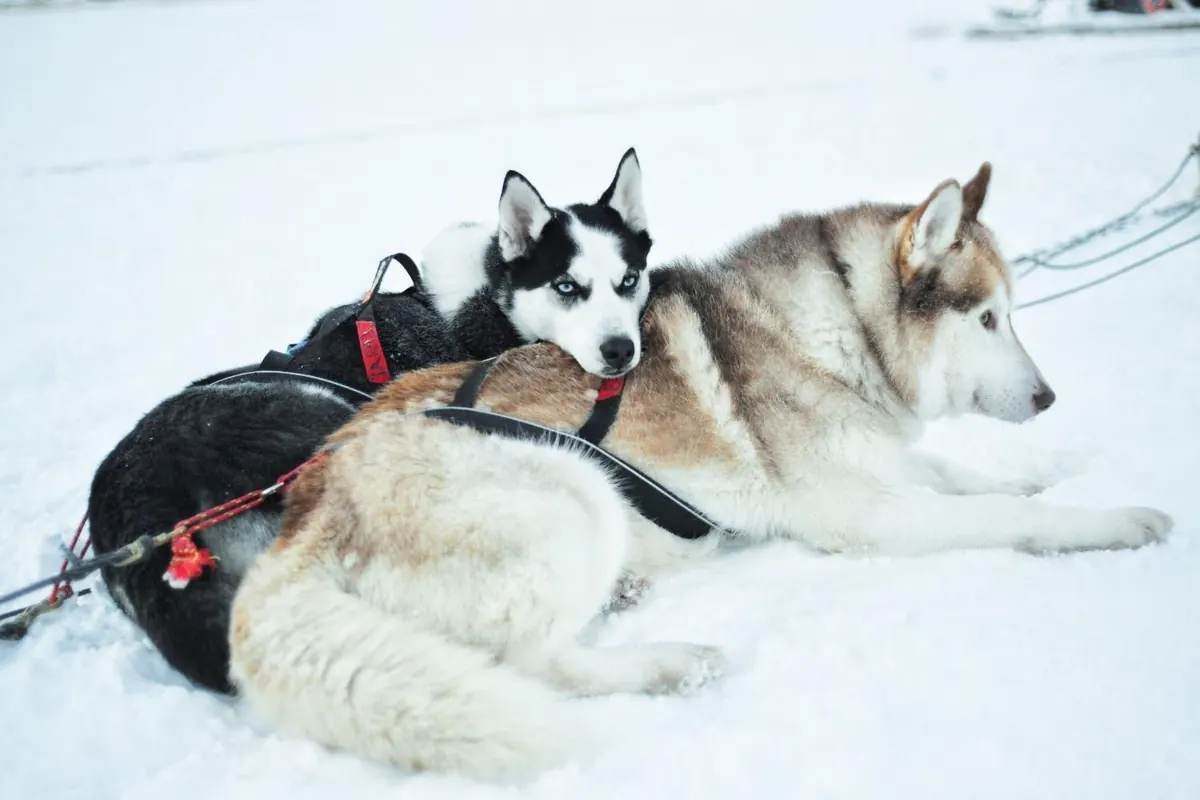
Shelter from the weather, room to move, daily checks and water. A dog tied outdoors long-term needs at least 40 square metres to move in.
Finland's Animal Welfare Act of 2023 (Finlex) and a government decree on dogs set the floor. SEY collected the parts that apply to sled dogs (SEY, in English):
| The rule | What it says |
|---|---|
| Tied outdoors | A dog tied in one place, other than temporarily, must have at least 40 m² to move. A dog under one year may only be tied outside temporarily. |
| Shelter | Dogs kept outdoors need a kennel or shelter that protects them from the weather, off the ground, with a dry floor and a sleeping pad. |
| Water | On professional sled dog farms, when water freezes, dogs must be offered water at least three times a day. Nursing mothers and puppies always. |
| Checks | Animals and their pens must be checked at least once a day. |
| Work | No overworking, no harsh discipline; a dog's fitness must be taken into account. |
| Needs | Room for movement, play, rest and social contact; enough exercise and rest. |
That's the legal minimum, not a gold standard. Responsible Travel points out that Finland has no welfare law written specifically for animals used in tourism. Supervision falls to municipal vets, and SEY argues it's too thin for an industry this size.
Does a certificate mean a husky farm is ethical?
No label is a guarantee, but one is worth asking about. Finland's Green Activities ecolabel has had sled dog welfare criteria since 2021, checked by audit.
In 2021 the University of Lapland and tourism businesses published Finland's first set of welfare criteria for sled dog kennels, as part of the Green Activities ecolabel (University of Lapland). Farms apply, and the label is third-party verified with on-site audits. The criteria cover things a tourist never sees: keeping dogs active in summer, retirement, unplanned litters, and staff conditions. Only some farms hold it.
Some listings mention a label in their description. Treat that as a reason to ask more, not less. SEY's advice is blunt: no certificate is infallible, and if a certified farm falls short, report it to the body that issued the label (SEY). A label tells you a farm signed up to rules. Your questions tell you how it lives by them.
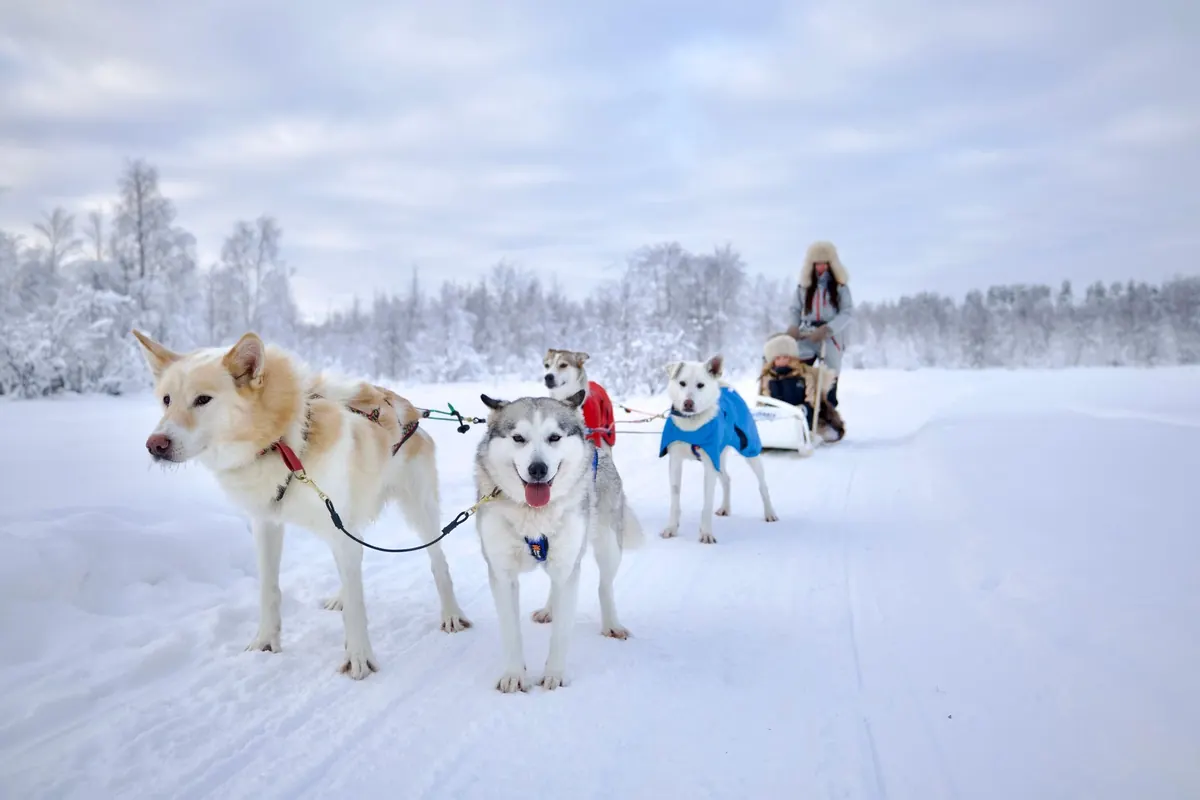
What questions should you ask a husky farm?
Five: where the dogs live, how many runs a day, rest days, summer, retirement. A good farm answers fast and in detail.
Send them before you book, by email or the platform's message button. Here's what a good answer and a worrying one sound like:
| Ask | A good sign | A red flag |
|---|---|---|
| Where do the dogs live? | Pens or runs where dogs move freely, often in pairs; you're welcome to see the kennels | Vague answers; no visit to the kennel area |
| How many runs does a dog do per day? | A clear number, and teams that rotate | "As many as there are guests" |
| How many rest days? | Planned rest days each week | No answer |
| What happens in summer? | Exercise on carts or quads, walks, swimming, same staff | Dogs left in pens for months with no exercise |
| What happens to old dogs? | Retirement at the farm or rehoming | Silence, or "they go to other farms" |
| Do guides know the dogs? | Every dog by name | Teams assembled from strangers |
These come from Responsible Travel's own list and SEY's checklist, which also asks whether you can see the animals' living quarters and how the farm explains where its dogs come from. Reviewers on the trips here mention some good signs: one Santa Claus Village guest heard "all about their rehoming programme when they retire"; a guest on the small-group safari noted the guides "know all the dogs by name, age, etc." Those are guest reports, not inspections.
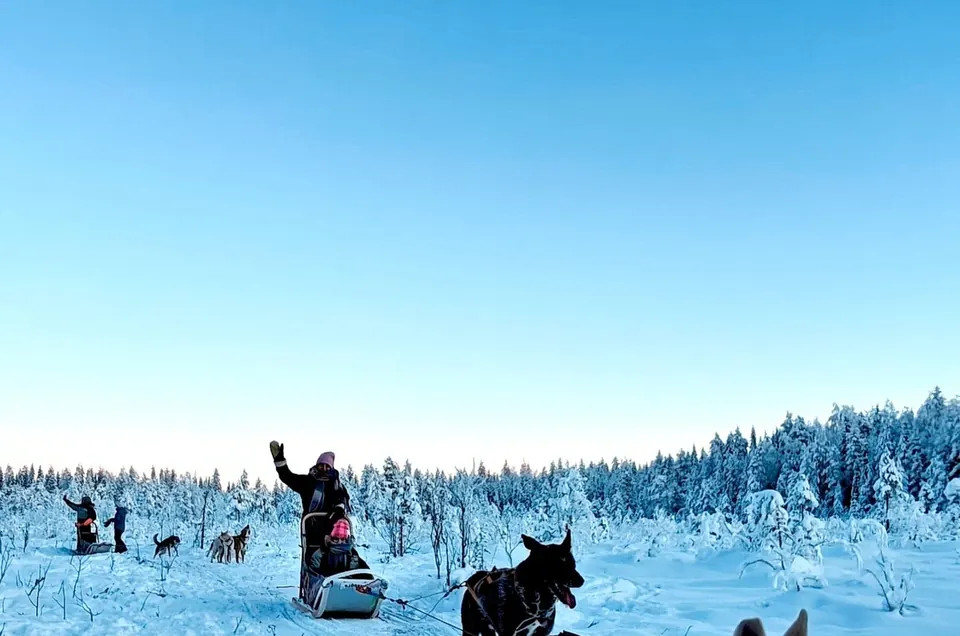
Eight guests at most and 6 to 10 km of trail. Ask them the five questions; guests say the guides know every dog by name.
Explore the small-group safari with a kota fire Tour detailsWhat can you check for yourself on the day?
Look at the kennels, the chains, the water and the dogs' bodies. If something looks wrong, say so, and report it.
- The kennel area: can you see it? Dogs in a fenced pen with a raised, insulated house look very different from dogs on short chains in a row.
- Body condition: sled dogs are lean, but they shouldn't look bony or listless. Watch for limping in harness.
- Feet: on icy trails good farms use dog booties. One guest on the short ride noticed "Thier little feet were protected".
- Load: are sleds overloaded? The 6 km Rovaniemi trip caps each sled at 250 kg, and guides spread the weight so every team pulls an even load.
- Breaks: on a warm or deep-snow day, more rest stops and bigger teams are a good sign, not bad service.
If you see something wrong: in an emergency in Finland, call 112. Otherwise, the municipality's animal welfare vet is the authority, and SEY takes reports in English (how to report). A review that describes what you saw also helps the next traveller.
Are short husky rides worse for the dogs than safaris?
They can be. A short loop repeated all day means many runs per dog. Ask how teams rotate, whatever trip you pick.
Responsible Travel's main worry is the fast loop: dogs shuttling tourists round the same short track from morning to dusk. The 2.5 km ride at Santa Claus Village runs in 30-minute slots; the farm may rotate teams carefully, and one guest wrote that the dogs "seemed and looked healthy". You won't know unless you ask how many runs each team does.
Longer safaris in small groups make the dogs' day more like the job they're bred for: a run, a stop, a run back. That's one reason we lean toward the small-group safari and the Kiruna mornings. It isn't proof of anything. The questions above still apply.
A longer run in a group of eight at most, with stops for the dogs. Still ask the questions.
Check dates for the small-group safari with a kota fireIs husky sledding a Sami tradition?
No. Sami culture is built around reindeer. Husky farms in Lapland are mostly a tourism business of the last few decades.
Responsible Travel says it plainly: husky sledding is not a Sami tradition (Responsible Travel). Lapland's husky farms grew with winter tourism. Some listings put a Sami-style tent or a kota on the itinerary, which is fine for warming up by a fire, but don't read it as cultural heritage.
If meeting Sami culture matters to you, look for a Sami-owned reindeer experience instead, and treat the huskies as what they are: a modern adventure activity with working dogs.
Frequently asked questions
Do huskies enjoy pulling sleds?
Most sled dogs clearly love to run: they bark and pull to go. Welfare problems are mostly about how they live off the trail, not the running itself.
Are husky farms in Finland regulated?
Yes, under the general Animal Welfare Act and a decree on dogs, supervised by municipal vets. There is no welfare law specific to animals in tourism, and SEY is calling for licensing.
What happens to sled dogs in summer?
On good farms they keep training on carts or quads when it's cool, and get walks and play. Ask the farm directly; it's one of the best questions you can ask.
Which husky farm in Lapland is ethical?
We don't certify farms, and no booking site can. Ask the five questions in this guide, look for welfare labels, and read what reviewers saw at the kennels.
How do I report animal mistreatment in Finland?
Call 112 in an emergency. Otherwise contact the municipality's animal welfare vet, or file a report with SEY, which has an English form.
Ready to book
Choose your ride
Free cancellation up to 24 hours before on every option. Prices are from-prices in USD and move with the season.
Small-Group Husky Safari with Kota Fire, Rovaniemi
6 to 10 km in a group of eight at most, then hot drinks by the fire
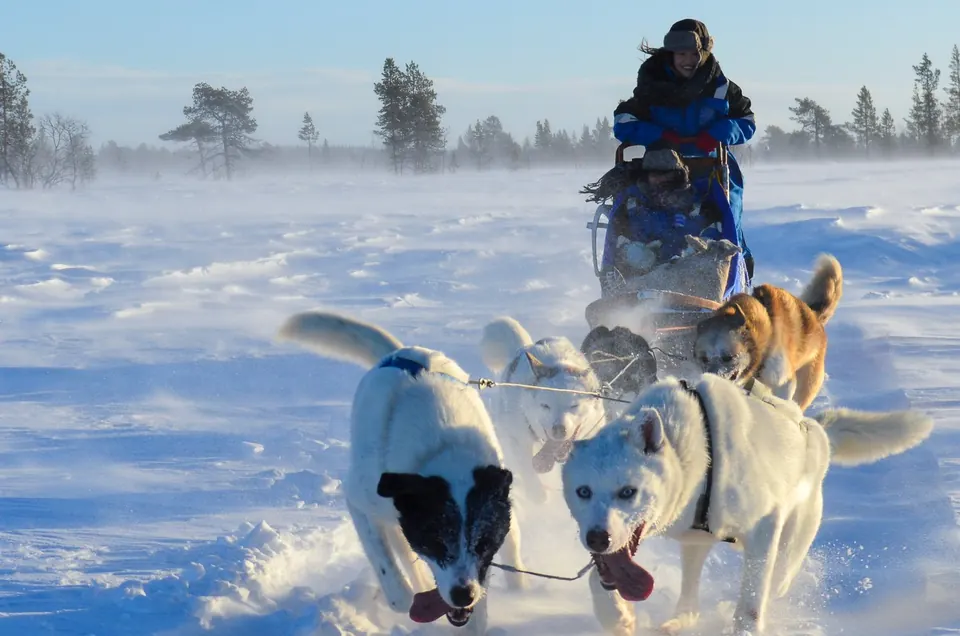
Self-Drive Husky Morning with Lunch, Kiruna
A long morning on the sled and lunch in a Sami tent
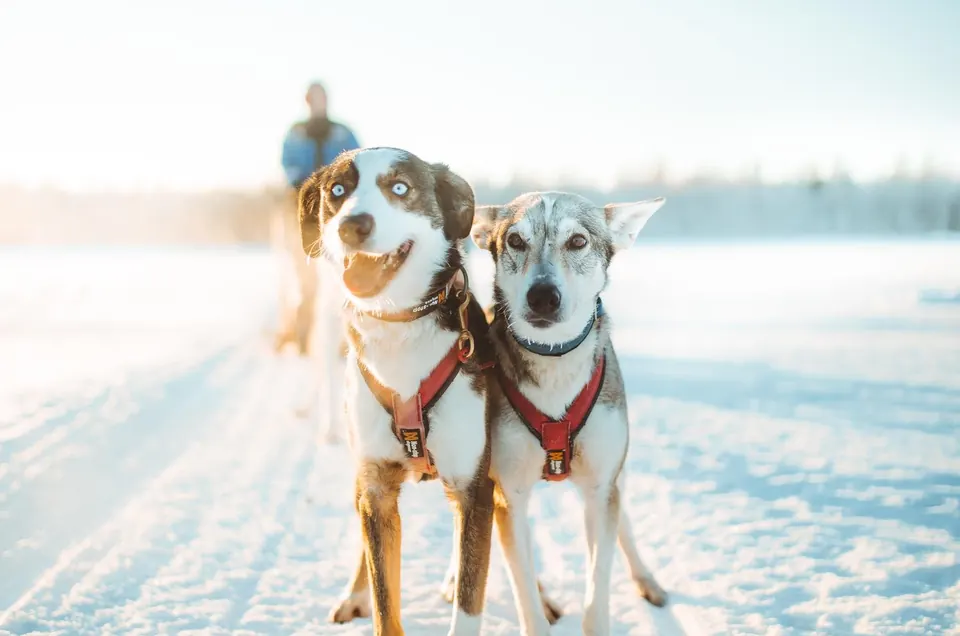
6 km Self-Drive Husky Safari, Rovaniemi
- A 6 km husky ride, driving your own team
- Thermal overall, boots, wool socks and mittens
- Transfers from Rovaniemi centre or Santa Claus Village